PSF industry chain operation review and outlook for 2026
——Kong Lingfang, Lead analyst, CCFGroup
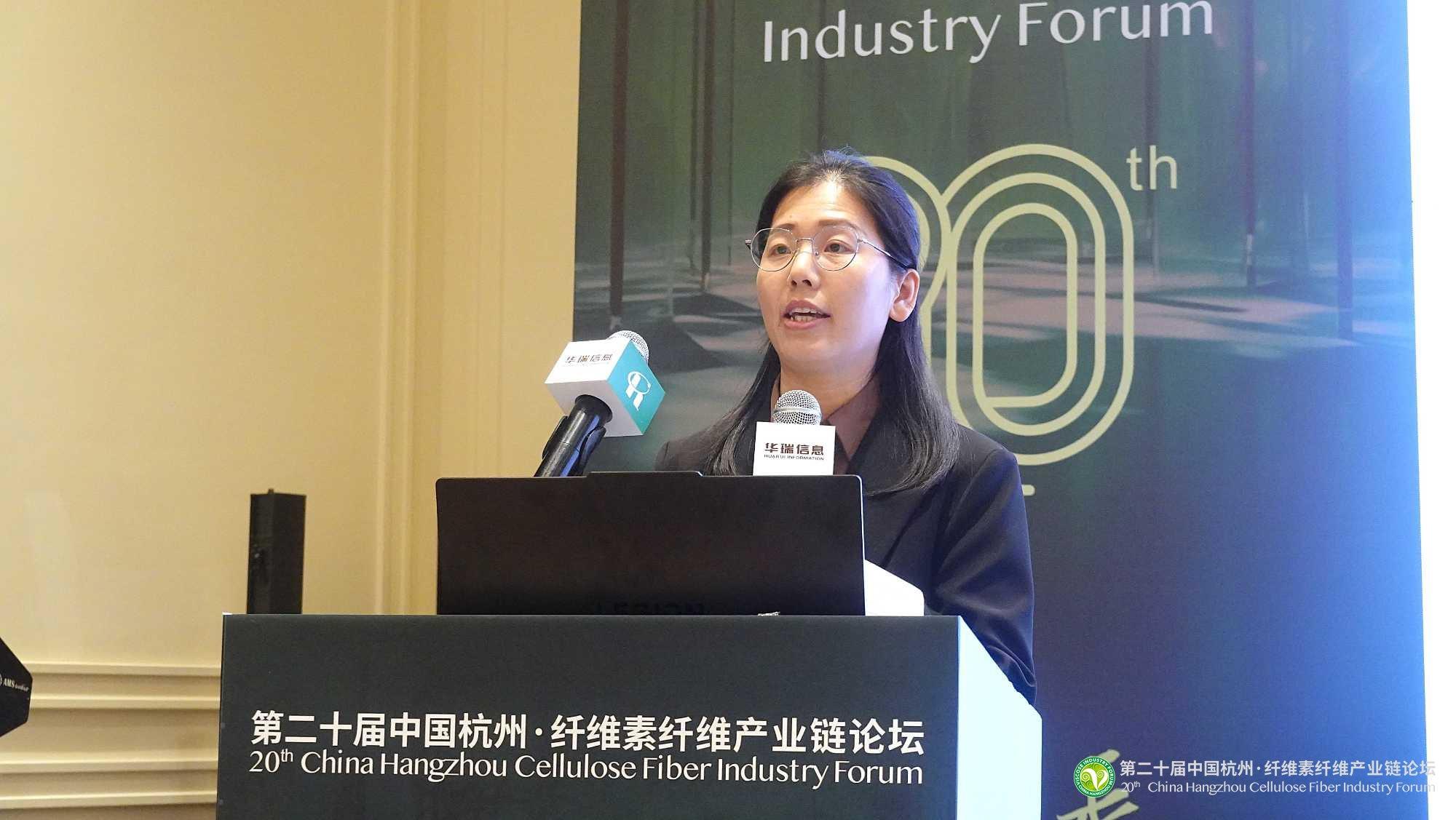
This report provided a comprehensive review of the operating trends and industry landscape of the polyester staple fiber (PSF) market in the first quarter of 2026.
Currently, prices for direct-spun PSF are underpinned by raw material costs. Rising prices for upstream inputs likePXand PTA have driven up production costs. Meanwhile, the industry's operating rate remains low, and inventory is at relatively high positions compared to recent years, leading to continuously squeezed processing spread.
Capacity distribution shows a trend toward regional concentration, with Jiangsu, Fujian, and Zhejiang emerging as core production hubs. The product mix is being optimized toward specific segments such as spinning and non-woven applications, while downstream demand for vortex spinning and sewing threads supports the performance of certain products.
On the export front, trends are diverging. While overseas buyers have limited tolerance for high prices, Chinese PSF exports have maintained resilience thanks to cost advantages. However, new PSF capacity is set to be released centrally in 2026, which is expected to intensify industry competition.
Overall, the PSF industry is in a period of capacity restructuring. Market trends are being jointly influenced by raw material cost pressures, sluggish downstream demand, and shifting export patterns. Consequently, the repair of industry profitability in 2026 still faces multiple challenges.